

Staff members Alex & Mary have been wearing the new to the UK Mount to Coast T1 and H1 trail running shoes for a few months now. Read on to find out how they got on with them as well as identifying the key differences between the models…
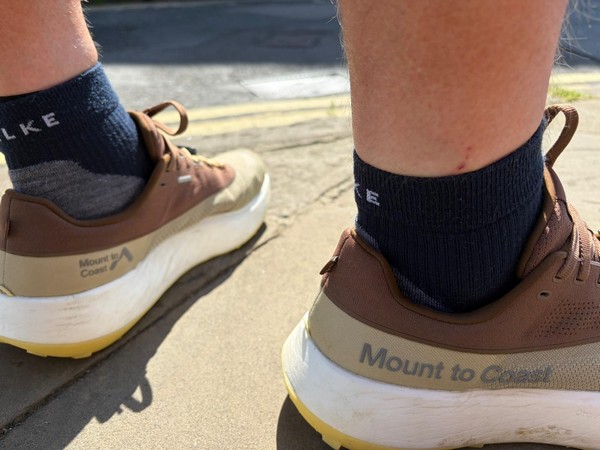
First, who are Mount to Coast? Based out of Hong Kong Mount to Coast are a performance footwear brand focused on long-distance running and using their extensive research to design to shoes that deliver to the needs of the ultra-runner. From this work the brand has developed a reputation for producing high quality, performance orientated footwear that really delivers.
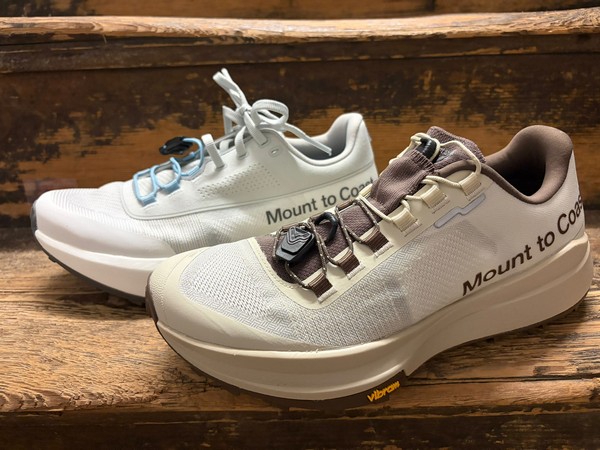
Their first steps into the trail running world have been with the T1 and H1 and we have been lucky enough to have been wearing these for the last few months. The primary difference between the two are the type of running they are aimed at; the T1 is true workhorse aimed at tough, rugged terrain, whereas the H1 is slightly more responsive and less aggressive for those increasingly popular road to trail runs and races.
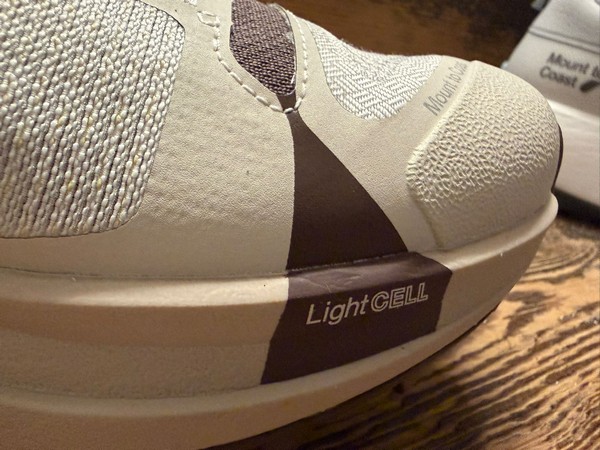
Specifically, the T1 has a slightly more durable, denser feeling cushioning that is more stable and protective on harsher surfaces such as mountainous rocky or muddy terrain. Whereas the H1’s cushioning, called Circle Cell foam is more reactive offering a springier more dynamic feel on harder packed surfaces.
Adding to the T1’s credentials for technical terrain is the slightly lower heel to drop of 4mm, compared to the H1’s 6mm, which means you have a more stable and connected feeling with the ground which is vital for fast confident movement on difficult terrain.
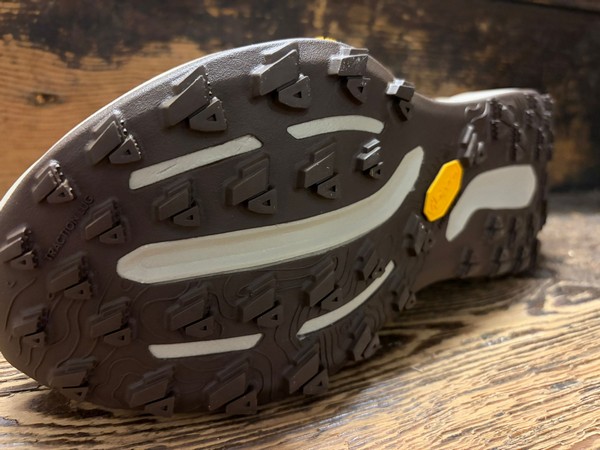
Grip wise the T1 has an aggressive, ever reliable Vibram Megagrip outsole with slightly deeper lugs that provide exceptional traction on technical, varied terrain and especially suited to the typical UK scene. In contrast he H1 utilises a proprietary Versa Grip outsole with shallower lugs that are ideally suited to smoother less demanding trail surfaces.
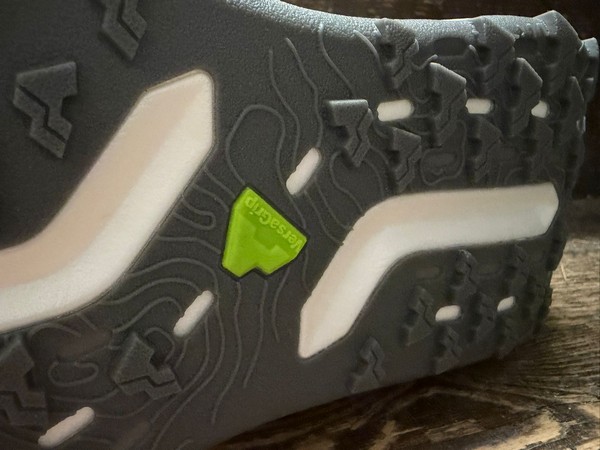
So that’s the key differences, now let’s see how they actually feel and perform. Alex has been putting the T1 through its paces and describes it as a “really nice lightweight trail shoe with well-balanced cushioning that is a good option for mixed terrain runs of various distances”
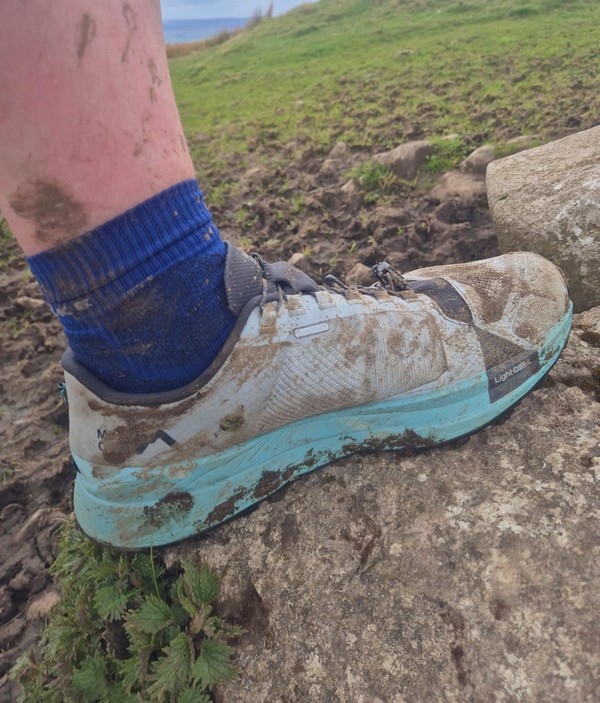
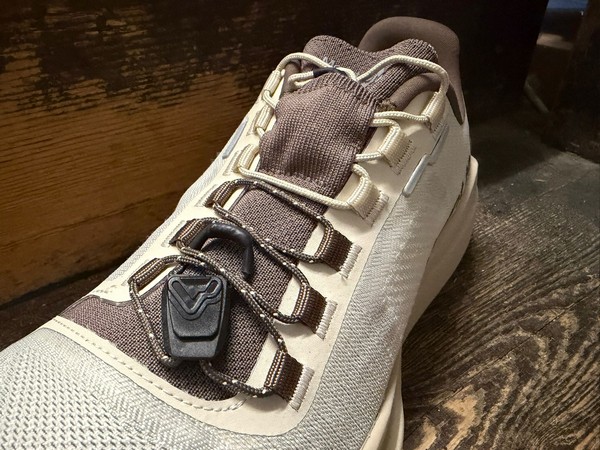
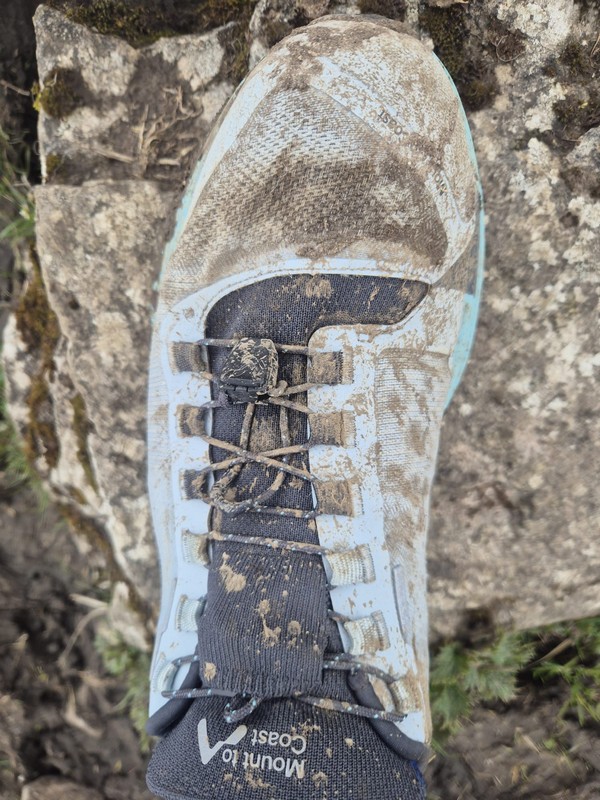
He found the woven upper nicely tough and did well at keeping grit and dirt out. He also commented on the unique lacing system that features twin adjustments for the upper and lower sections of the shoe to allow individual adjustment. Alex liked that he could control the lace tension across different parts of the shoe. This technology has been specifically applied to allow for quick and easy adjustment to accommodate foot swell on longer distance runs and seems to do a good job.
Grip wise Alex felt that although the T1 offers the more aggressive outsole of the two models, the 4mm lugs are still better suited to less muddy, harder packed trails and coped really well with stretches of tarmac when needed.
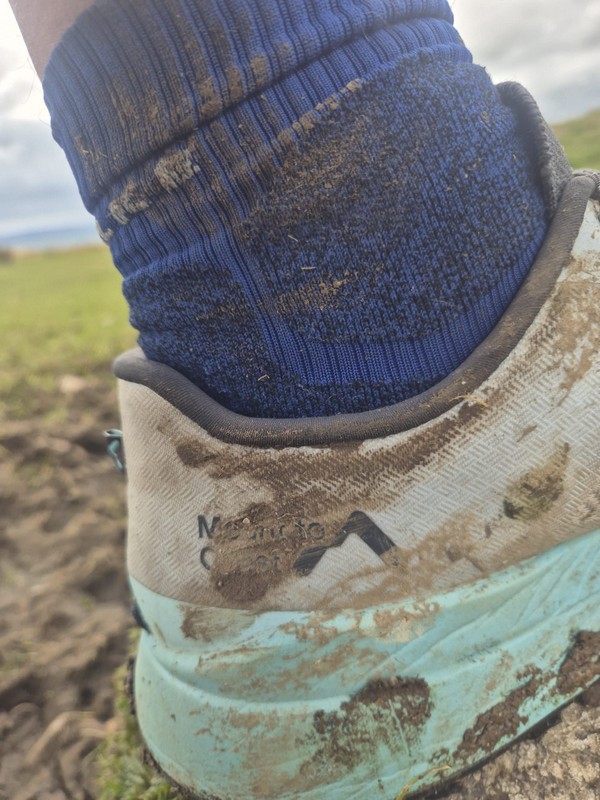
Fit wise, both Alex and Mary felt that generally the Mount to Coast shoes seemed to fit slightly bigger than other brands they usually wear, probably ½ a size bigger than most. Additionally, they had surprisingly good width with both testers commenting they had slightly wider feet and both the T1 and H1 accommodated this really well, a great feature for longer distance runs when feet are likely to swell even if you don’t have wide feet to start with.
Moving onto the H1, Mary has had very similar feedback to Alex in terms of performance, features and fit. “The H1 is a really comfortable, well cushioned trail running shoe which I’d class as a real allrounder.”
“The cushioning is spot on, not too soft, not too hard, it just feels really responsive, while also feeling like it offers protection too. Grip wise the H1 is the perfect choice for well maintained trails, dry grassy tracks and even tarmac. It also seems to be wearing really well with lots of use on hard surfaces the lugs are showing hardly any degradation”
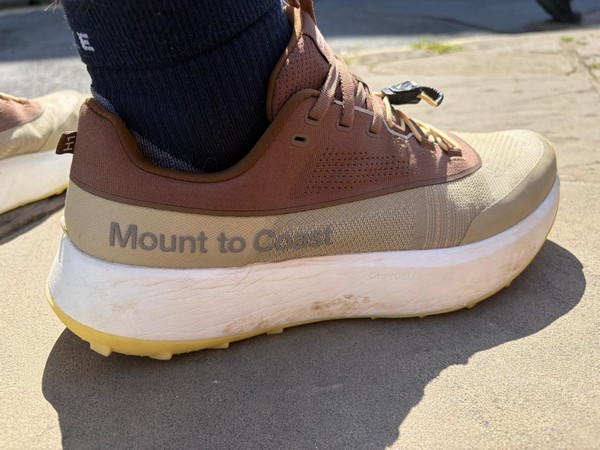
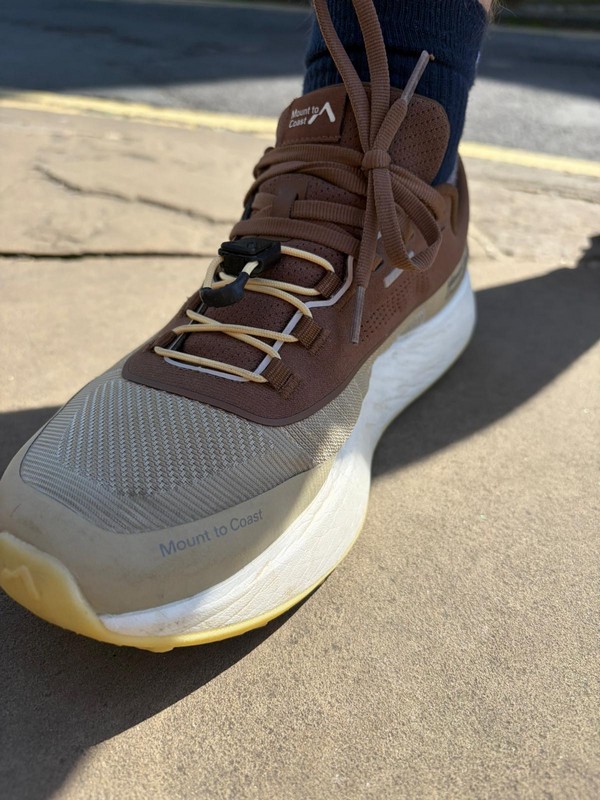
The H1 features a traditional lacing system on the top section of the foot and a cord and toggle on the lower section, as with the T1 this is designed to allow easy adjustment to accommodate foot swell. “This wasn’t necessarily a feature I felt I needed, but there weren’t any negatives about the design either, I was still able to achieve the all-important solid hold around the mid foot and no slippage at the heel.”
In conclusion both the T1 and H1 seem to have really ticked the boxes they set out to achieve offering a well cushioned trail running shoe that is capable of tackling challenging terrains and distances in comfort and control. Despite being so lightweight both shoes are highly capable of offering sufficient cushioning and protection for ultra distances and the grip is sufficient for all but the muddiest, wettest conditions.